 English

 Store
Store





Generator Safety Essential Do’s and Don’ts
Release Date :2026/02/04
Winter Preparedness Checklist & Generator Safety Guide
Winter arrives with snow, ice, and biting winds—often with little warning. To protect your home, family, and power supply, use this winter preparedness checklist. By planning ahead, monitoring weather updates, and having reliable equipment on hand, you can face the season with confidence. Keep this snowstorm preparation checklist handy to track tasks, stock supplies, and double-check essentials before the weather turns severe.
Understanding Winter Storms
Winter storms vary in impact and duration, so understanding their types is key to adequate preparation. Snowstorms reduce visibility and hinder travel; ice storms coat roads and power lines, raising the risk of outages; blizzards bring heavy snow and strong winds, causing whiteout conditions and dangerous wind chills.
Stay informed with official weather alerts: A Winter Storm Watch means severe conditions are possible; a Winter Storm Warning signals hazardous weather is imminent or ongoing; a Blizzard Warning indicates life-threatening low visibility and wind; an Ice Storm Warning alerts to significant icing risks; and a Wind Chill Warning warns of fatal cold. These alerts guide decisions on sheltering, travel, and activating backup power—serving as a cue to kick off your winter storm preparedness checklist.
Monitor forecasts regularly from trusted sources and enable mobile notifications. This gives you time to refuel generators, charge devices, secure outdoor items, and stock supplies like ice melt, shovels, and safe fuel storage before the storm hits its peak.
Preparing Your Home
Seal gaps around windows and doors with weatherstripping, door sweeps, and insulating film to trap warmth and block cold air. Draw curtains at night to retain heat and open them during the day to harness passive solar warmth. When safe to do so, clear snow from roofs and clean gutters to prevent ice dams and water damage.
Stock up on essentials before snow arrives. Aim for at least a 3-day supply of nonperishable food, drinking water, and hygiene items—including no-cook meals and a manual can opener. Don’t overlook pet food, prescription medications, and baby supplies. Keep ice melt for walkways and a snow shovel (or snow blower) ready, and track these items on your winter storm preparation checklist to ensure you’re fully stocked.
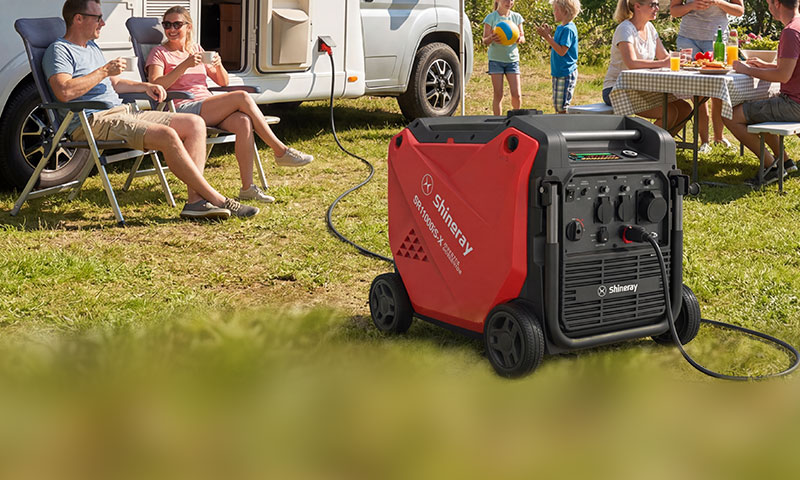
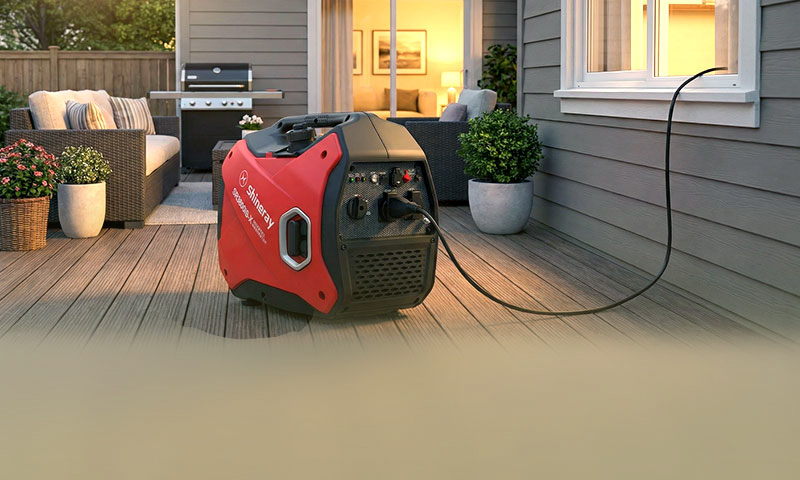
Ensure your heating system is winter-ready: Schedule a pre-season inspection, replace filters, and test thermostats. Use space heaters on stable surfaces with proper clearance, and never leave them unattended. Prepare for outages with a backup heating plan, and position your portable generator outdoors—at least 20 feet from doors and windows—using a transfer switch or outdoor-rated power cords. Include generator fuel and cords in your preparation plan to avoid last-minute shortages.
Creating an Emergency Kit
A well-stocked winter storm emergency kit saves time and stress during power outages. Include flashlights, headlamps with fresh batteries, a battery-powered or hand-crank weather radio, first-aid supplies, warm blankets, insulated clothing, and multi-tools. Add sanitation items, work gloves, and traction aids like ice cleats. Store important documents (IDs, insurance papers) and emergency contact lists in a sealed, easily accessible container.
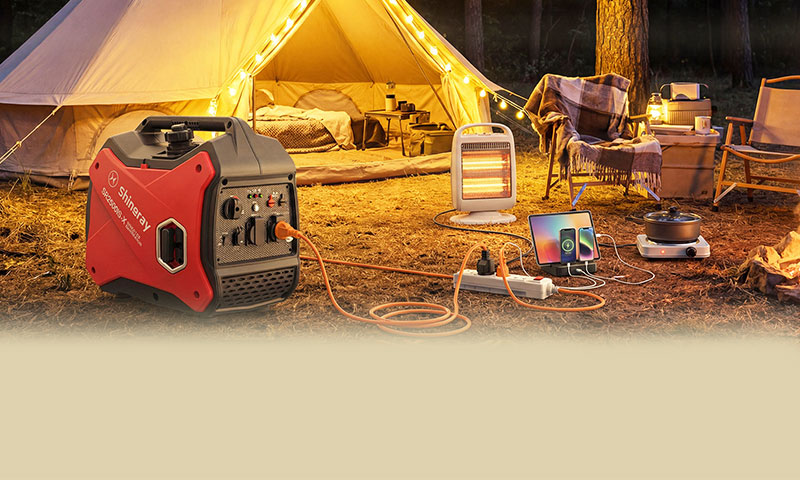
Reliable backup power is critical for winter resilience. A portable generator, inverter, or solar generator can run essentials like refrigerators, sump pumps, furnaces, and phone chargers—choose based on fuel type, wattage needs, runtime, and safe fuel storage requirements. For automatic protection, a home standby generator maintains critical circuits without manual intervention, ideal for prolonged outages.
Review and refresh your kit seasonally: Replace expired food and medications, test flashlights, and run your generator per the owner’s manual to ensure it works properly. Conduct a quick power drill to identify which appliances to prioritize and estimate fuel runtime—practicing now avoids last-minute chaos. Use your checklist to track supplies and keep them replenished for winter storm scenarios.
Key Winter Storm Preparation Focus Areas
Simplify preparation by focusing on three core areas:
1. Home Protection: Weatherstripping, ice melt, snow shovels, and roof/gutter maintenance.
2. Personal Essentials: Nonperishable food, water, medications, warm clothing, and blankets.
3. Power Readiness: Generator, fuel, outdoor-rated extension cords, and a transfer switch.
Add a battery-powered weather radio, first-aid kit, and spare phone chargers to complete your plan—ensuring all needs are covered when winter storms strike.
Generator Safety: Essential Do’s and Don’ts
Portable and standby generators deliver reliable backup power, but prioritizing generator safety is critical to protecting people, property, and equipment. This guide breaks down key hazards—including carbon monoxide (CO) risks—and outlines best practices for safe operation. Whether you’re an experienced user or preparing to use a generator for the first time (or rent one), these portable generator safety tips apply to most setups.
Understanding Generator Safety Risks
Improper generator use can lead to carbon monoxide poisoning, electric shock, fires (from fuel or hot surfaces), and mechanical injury. Many incidents occur during power outages, when equipment is rushed into use without proper ventilation or electrical safeguards. By following generator safety precautions from the start, you can avoid these preventable risks.
Adhering to the owner’s manual, using approved accessories (such as Storm Shields for wet weather), and planning your setup in advance drastically reduces danger. Always operate portable generators outdoors in an open, flat, level area—away from windows and doors—and install working CO alarms. Reports show that CO-related injuries and fatalities linked to portable generators during storms and cold snaps are nearly always preventable with correct placement and ventilation. If renting a generator, confirm you understand its fuel type, power output, and safety features before use.
Carbon Monoxide Awareness
Carbon monoxide is a colorless, odorless gas produced by fuel-burning engines. Even low concentrations can cause illness, while high levels can be fatal within minutes. Since CO cannot be detected by sight or smell, rely on proper generator placement and functional CO alarms for protection. Champion’s CO Shield* technology adds an extra layer of safety by automatically shutting off the portable generator if dangerous CO levels are detected. Note: CO Shield is not a substitute for indoor carbon monoxide alarms or safe operation practices.
Key CO Safety Tips:
Symptoms of CO Exposure: Headache, dizziness, nausea, confusion, weakness, and chest pain. Severe exposure may lead to loss of consciousness or death.
If Exposure Is Suspected: Move to fresh air immediately and call emergency services.
Prevention: Run generators exclusively outdoors, at least 20 feet from windows, doors, and vents—with exhaust directed away from buildings. Never operate generators in garages, basements, crawlspaces, or enclosed porches, even if doors are open.
Alarms: Install battery-powered or hardwired CO alarms on every level of your home and test them regularly.
Safe Operating Procedures
Do’s
Read the owner’s manual thoroughly before use and follow all labeled instructions.
Use heavy-duty, outdoor-rated extension cords with intact grounding to prevent electric shock.
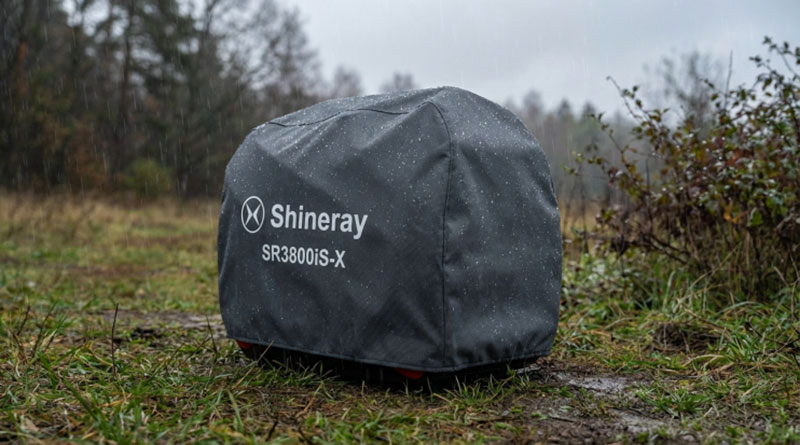
Keep the generator dry on a stable, level surface; use a Storm Shield in wet weather to protect it while maintaining airflow.
Refuel only when the engine is off and completely cool; store fuel in approved containers away from heat sources.
Don’ts
Never run a generator indoors, in a garage, or under a carport—even with ventilation.
Avoid backfeeding electricity into your home through a wall outlet (this endangers utility workers and damages equipment).
Do not overload circuits or exceed the generator’s rated wattage.
Never operate the generator near combustible materials, and do not block airflow around the unit (this causes overheating).
Proper placement and ventilation are non-negotiable. Position the generator outdoors with at least 20 feet of clearance from building openings, and aim the exhaust away from structures. In rain or snow, use a generator-specific Storm Shield that preserves airflow while keeping the unit dry.
Regular Maintenance for Safety & Reliability
Routine maintenance supports both safety and performance. Follow recommended oil change intervals, inspect and replace air filters as needed, check fuel lines for cracks or leaks, test GFCI outlets, and run the generator periodically (for at least 15 minutes) to ensure it functions properly. Replace worn extension cords and verify all connections are tight and undamaged.
Emergency Preparedness for Generator Use
Plan ahead for outages to avoid rushed, unsafe decisions. Identify a dedicated, safe spot for the generator, map out how it will connect to essential loads, and establish a system for storing and rotating fuel (to keep it fresh). Keep a maintenance kit on hand with spare oil, filters, spark plugs, and approved fuel containers. Confirm CO alarms are working and inspect extension cords before each use—these steps reinforce portable generator safety when you need it most.
To safely power household circuits, use a professionally installed manual transfer switch or interlock kit. These devices isolate your home’s electrical system from the utility grid, preventing backfeeding, protecting utility workers, and ensuring the generator only supplies selected circuits. Never attempt to power your home by plugging the generator into a standard wall receptacle.
During severe weather, secure the generator on a stable surface, use a Storm Shield in wet conditions, and monitor wind direction to keep exhaust away from your home. Keep a fire extinguisher nearby, manage noise considerations (for neighbors), and always shut down and cool the unit before refueling. Prioritize these portable generator safety tips over convenience—whether using your own unit or a rental.
*CO Shield technology monitors carbon monoxide (CO), a toxic gas produced by engine exhaust. If unsafe, elevated CO levels are detected, the engine shuts off automatically. CO Shield is not a substitute for indoor carbon monoxide alarms or safe operation. Never allow engine exhaust to enter confined spaces through windows, doors, vents, or other openings. Generators must ALWAYS be used outdoors, far from occupied buildings, with exhaust directed away from people and structures. Meets ANSI/PGMA G300 requirements.


